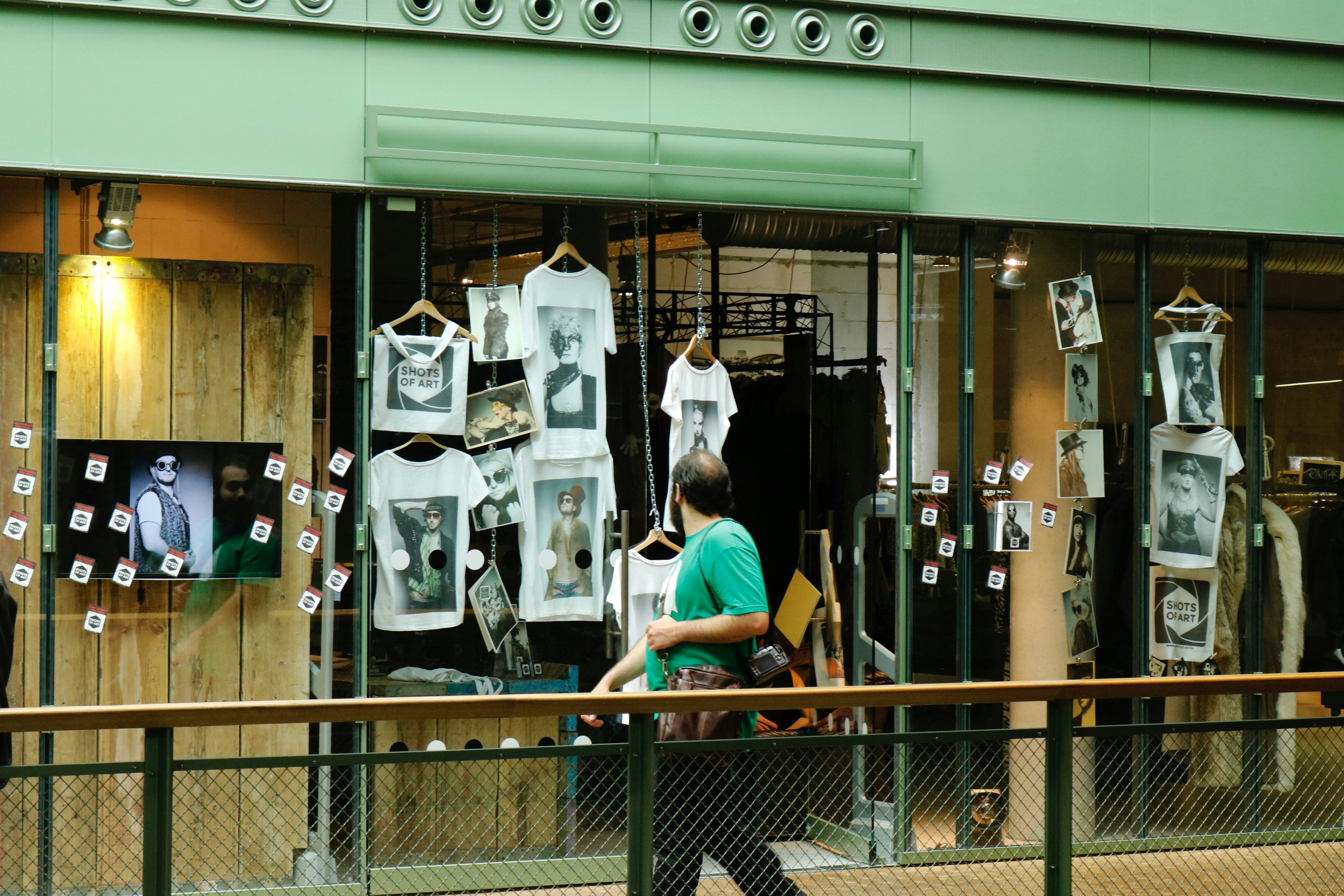
Understanding Print-on-Demand: What Is It and How Does It Work?
Print-on-demand (POD) is a business model that allows entrepreneurs to create and sell custom products without the need to hold any inventory upfront. This innovative approach differentiates itself from traditional retail models, where businesses typically invest in bulk inventory and manage extensive delivery logistics. In the case of POD, products are only printed and shipped when an order is placed, minimizing both financial risk and resource commitment for the seller.
The process of creating products in a POD model begins with the design phase. Entrepreneurs can use graphic design software or hire designers to develop unique artwork for various items such as t-shirts, mugs, or phone cases. Once the designs are finalized, they are uploaded to a POD platform, which integrates seamlessly with an online storefront. This allows customers to view and purchase the products directly from the entrepreneur’s website.
When an order is received, the POD provider handles the printing, packaging, and shipping of the product directly to the customer. This streamlined process not only reduces the logistical burden on entrepreneurs but also ensures that they can focus on marketing and growing their business. By eliminating the need for inventory storage, POD enables sellers to offer a diverse range of products without the associated costs of traditional retail practices.
One of the most appealing aspects of print-on-demand is the low financial risk involved. Entrepreneurs can test various designs and products without the fear of financial loss associated with unsold inventory. Moreover, POD provides opportunities for creative freedom, as sellers can experiment with different styles and niches, making it an attractive option for those looking to launch their own business in a cost-effective manner.
Choosing the Right Platform for Your Store
When embarking on a print-on-demand journey, the selection of an appropriate platform is a critical decision that can significantly impact the success of your venture. Numerous platforms exist, each presenting unique features, product options, and pricing structures tailored to different business needs. Among the popular choices are Printful, Teespring, and Redbubble, which offer distinct advantages for aspiring entrepreneurs.
Printful stands out for its wide range of customizable products, from apparel to home decor, and its seamless integration with established e-commerce sites like Shopify and WooCommerce. The user-friendly interface makes it easy for beginners to design and list products without technical complexities. Their pricing model is straightforward, allowing users to calculate profit margins effectively. However, it’s essential to consider production and shipping times, which can impact customer satisfaction.
Teespring, now known as Spring, offers a robust platform for sellers looking to create campaigns for various products. Its unique social selling features allow users to leverage social media for product promotion. This platform is particularly appealing for creators and influencers due to its community-oriented approach. While the integration capabilities may not be as extensive as Printful, it compensates with its simple setup process and no upfront costs for launching products.
Redbubble focuses on artists and designers, providing a platform to showcase their original works on an extensive range of products. This approach allows for broader exposure, but the level of customization may not match that of other platforms. Pricing structures vary and artists receive a percentage of sales, which might require careful pricing strategy to ensure profitability.
Ultimately, your choice of platform should align with your business goals, the types of products you plan to sell, and your marketing strategies. Taking the time to assess the specific features each print-on-demand platform offers will empower you to set up your online store effectively and without incurring upfront costs.
Designing Your Products: Tips and Tools for Success
Creating visually appealing designs is a crucial element in establishing a successful print-on-demand store. With a plethora of tools available, aspiring entrepreneurs can easily generate unique graphics that resonate with their target audience. One popular option is Canva, an intuitive platform that offers users a variety of templates, images, and design elements. By utilizing Canva’s extensive library of resources, designers can create professional-looking products, even with limited design experience.
Another noteworthy tool is Adobe Spark, which simplifies the design process while offering a range of customizable features. This application is particularly beneficial for individuals looking to create visually striking images for social media promotions or product listings. By exploring tutorials and best practices within these platforms, users can enhance their design skills and ultimately contribute to the success of their print-on-demand venture.
In addition to utilizing design software, it is essential to remain attuned to current market trends. Understanding what potential customers are seeking can guide product creation. Engaging with online communities, social media platforms, and design-oriented websites provides insight into popular styles and themes that may influence customer preferences.
Freelance marketplaces, such as Fiverr or Upwork, can also be invaluable resources for those who may not feel confident in their design abilities. By hiring skilled designers, entrepreneurs can access unique creative perspectives while tailoring products to meet the tastes of their audience.
Ultimately, the key to designing successful print-on-demand products is to develop unique and captivating designs that resonate with the intended market. By leveraging effective tools and remaining responsive to trends and preferences, sellers can create compelling offerings that stand out in a saturated market.
Marketing Your Print-on-Demand Store: Strategies to Drive Sales
To successfully promote your print-on-demand store, implement a multi-faceted marketing strategy that capitalizes on various channels. One of the most effective ways to drive traffic and sales is through social media platforms. By creating engaging content tailored to your target audience, you can foster brand awareness and encourage direct interactions with potential customers. Utilizing platforms such as Instagram and Facebook allows you to showcase your products visually, making them more appealing to users who may be interested in purchasing. Consider running paid advertising campaigns to further expand your reach and attract new customers.
Search engine optimization (SEO) is another crucial strategy for enhancing your online visibility. By conducting keyword research relevant to your niche, you can optimize your product descriptions, blog posts, and website content to rank higher in search engine results pages. Focus on both primary keywords and related terms, as this will improve the chances of your store being discovered organically. High-quality content that aligns with user search intent can establish your brand as an authority in your industry, ultimately driving more traffic.
Influencer collaborations present another opportunity to leverage existing followership in your desired market. By partnering with influencers who align with your brand values, you can expose your products to their audiences. This can be an effective way to reach potential customers without significant upfront costs. Furthermore, implementing email marketing campaigns can help maintain engagement with your audience. By offering value through newsletters, special promotions, and updates on new designs, you encourage repeat business and foster customer loyalty.
Building a strong brand identity is essential; it serves as the backbone of customer perception and loyalty. Ensure that your branding is consistent across all platforms, and actively engage with your customers. By fostering a community around your brand, you can create loyal customers who not only make repeat purchases but also promote your store through word-of-mouth. These strategies will collectively drive sales and establish a successful foundation for your print-on-demand store without requiring upfront investment.